The Recovery Upgrade Fitness-Focused People Are Talking About
If you train regularly, you’ll know the pattern well: push hard, feel great during the workout… and then the next day your body reminds you it was very much involved.
Soreness, fatigue, that slightly “heavy” feeling in your muscles—this is all part of adaptation. But most active people eventually start asking the same question:
“Is there anything I can do to recover better, not just harder?”
That’s usually where conversations about ozone therapy begin…
First, let’s talk about what your body is actually doing when you train

Every time you exercise—especially if you’re doing anything intense—your body is going through a controlled stress response.
That typically includes, tiny amounts of muscle tissue breakdown, an increased demand for oxygen and energy, temporary inflammation as part of repair and a rise in oxidative stress.
This isn’t a bad thing—it’s literally how you get fitter. The goal isn’t to avoid stress, but to recover from it efficiently so your body can adapt.
The problem comes when recovery can’t quite keep up with training.
That’s when people notice:
Soreness that hangs around longer than expected
Feeling “flat” in workouts
Slower bounce-back between sessions
General fatigue that doesn’t quite shift
So where does ozone therapy come in?
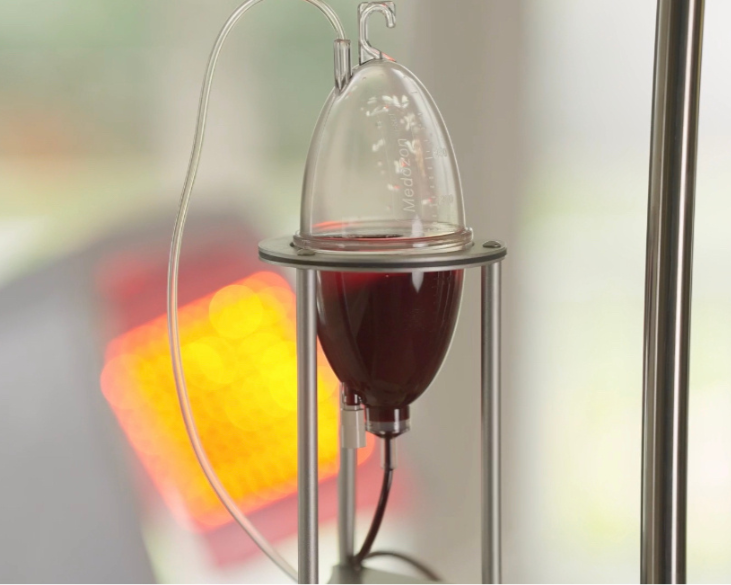
Ozone therapy uses a controlled, medical-grade form of oxygen in specific therapeutic settings. At Your Little Self, it’s something we work with in a very structured, personalised way—not as a quick fix, but as part of a broader wellness approach.
There are several methods used to administer ozone; each method is different in how it’s used and how it’s experienced, which is why consultation matters so much before anything begins.
Why Active People Are Turning to It

Most people who come in already training regularly aren’t looking for magic—they’re looking for consistency.
They want to feel:
Less run-down during heavy training blocks
More stable in energy levels
Better supported between sessions
Some also describe it as part of their “maintenance routine”—similar to how they schedule mobility work, sports massage, or structured rest days.
Ozone therapy is sometimes explored in that same category: supporting the body while it’s under load.
What it actually feels like in practice
Before anything begins, we’ll talk through:
What your training looks like
How your recovery is currently feeling
What you’re hoping to improve or support
Which approach might suit you best
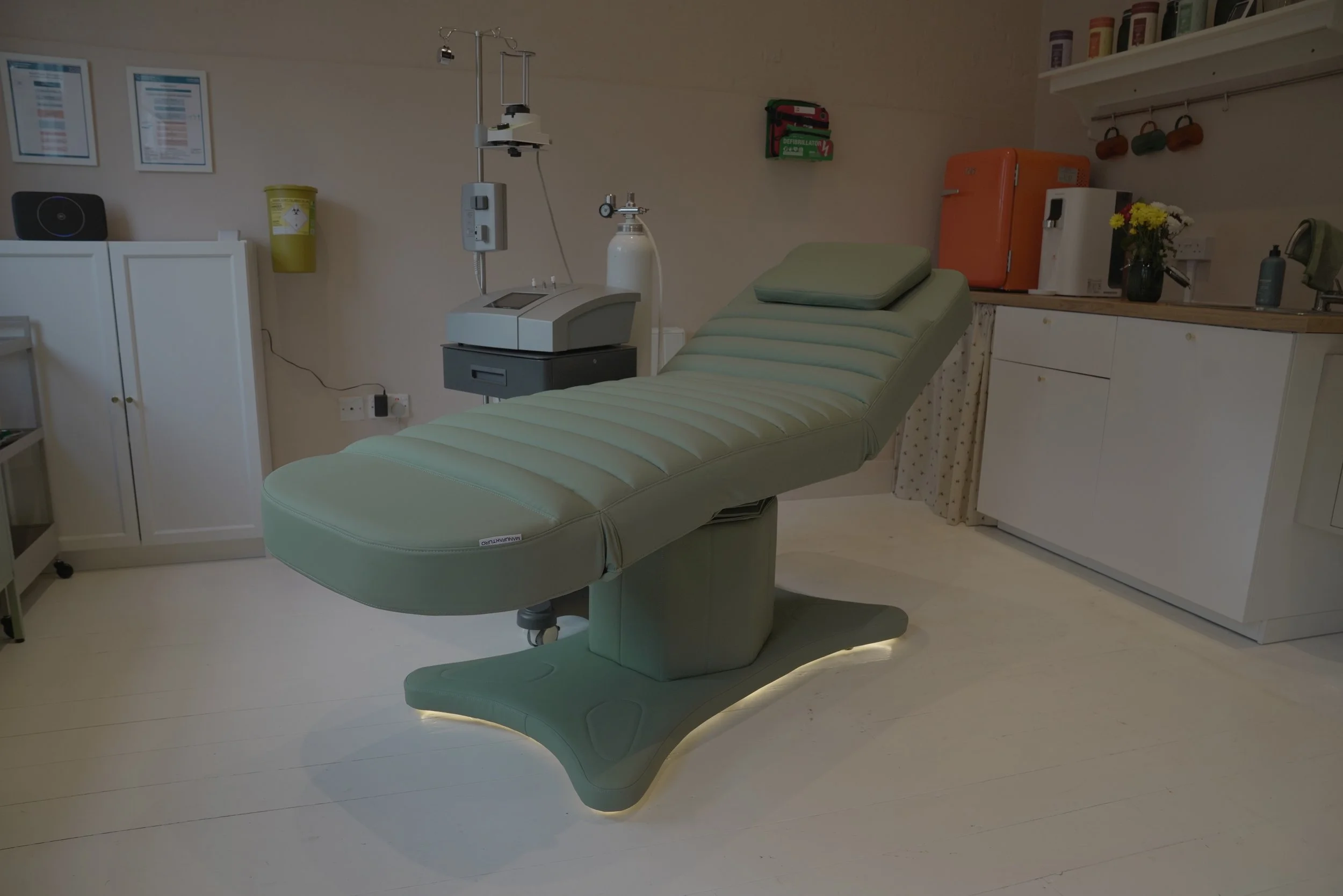
During treatment, the focus is on keeping things straightforward, comfortable, and fully explained—so nothing feels unfamiliar or rushed.
Afterwards, people typically get on with their day. Many fit sessions around training schedules quite easily. However, we do advise avoiding exercise immediately following treatment and waiting until the following day before returning to training, to allow your body time to respond and settle.

Who’s booking in for this?
We often see interest from:
People lifting regularly in the gym
Endurance athletes (running, cycling, rowing etc.)
Cross-training, HIIT-focused & HYROX clients
People returning to fitness after time off
Busy professionals training hard while managing stress levels
In short: people who are already doing the work and want their recovery to keep up.
Training is only half the equation. The other half is how well your body adapts to what you’re asking of it.
Ozone therapy is one approach some people explore to support that process—but like anything in wellness, it works best when it sits alongside strong fundamentals, not instead of them.
If you’re curious whether it might fit into your routine, I’d be happy to talk it through with you. A discovery session is a relaxed way for us to discuss your training, your recovery, and what you’re hoping to improve, and see whether it feels like the right fit.
If you’d like to explore it further, you can book a discovery session using the link below.
In the meantime, be kind to yourself and take good care,
Maz x