
How Ozone Therapy Actually Works — The Mechanism, Not Just the Marketing
Ozone therapy works by exposing a small volume of your own blood to a precise medical-grade ozone-oxygen mixture, then reinfusing it. This creates a brief, controlled cellular stress that triggers your body's own antioxidant and repair responses — a mechanism called hormesis. Evidence is stronger for some applications (like musculoskeletal pain) than others (like general immune support), which this article explains honestly.
Most of what you'll read about ozone therapy online falls into one of two camps: it's either a miracle cure or it's quackery. Neither is honest. What I want to do here is explain what's actually happening in the body during a session — the mechanism — and then be equally clear about what the research does and doesn't support. That's the standard I'd want applied to anything going into my own body, and it's the standard I use with patients.
What ozone actually is
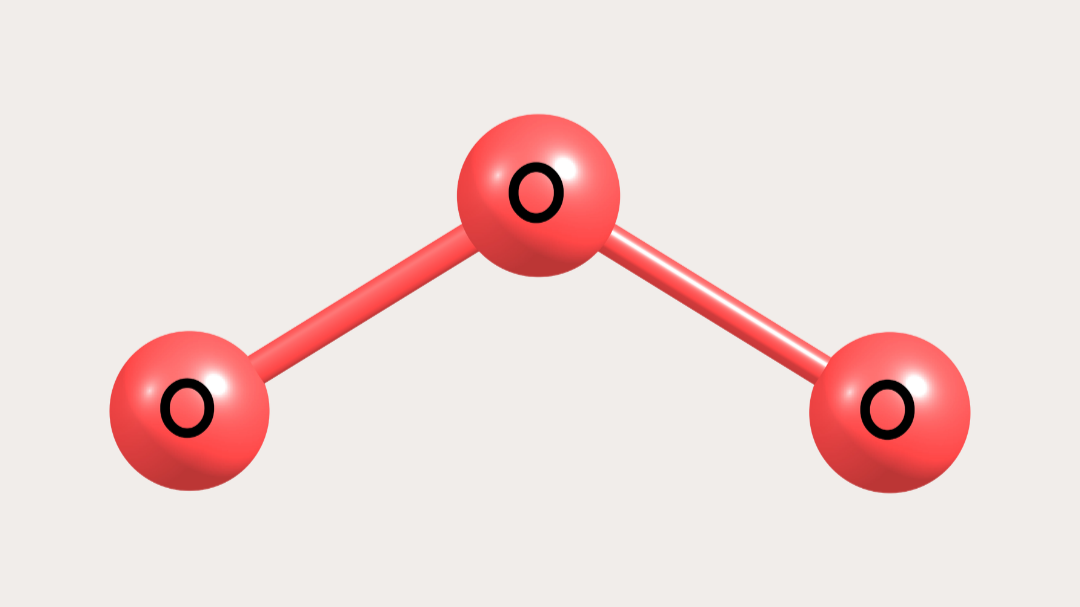
Ozone (O₃) is a molecule made of three oxygen atoms rather than the two we breathe normally. It's naturally unstable and highly reactive — which is exactly the property that makes it useful therapeutically, and exactly why it has to be handled with precision rather than enthusiasm.
The procedure: what actually happens in a session
The most common form used clinically is major autohemotherapy (MAH). In practice:
A small, controlled volume of your blood is drawn — around 100–150ml, about a fifth of a standard blood donation — into a closed, sterile system, so nothing is exposed to open air at any point.
It's gently mixed with a precise medical-grade oxygen-ozone gas mixture. The concentration isn't standard across every session — it's calculated for you, based on your health history and what we're addressing, then generated by a purpose-built medical ozone unit. The reaction happens entirely within this closed system, so you're never exposed to ozone gas directly.
That blood is then slowly and gently reinfused, with a Registered Nurse monitoring you throughout.
This cycle — draw, mix, reinfuse — is called a "pass." A session involves several in sequence, depending on the protocol we've agreed at your consultation (5 pass, 10 pass, or 20 pass).
That's it. There's no ozone gas inhaled, no direct injection of ozone into tissue in this method — the reaction happens outside the body, in a controlled, sterile system, before anything goes back in.
The mechanism: what's actually happening biologically
This is the part that tends to get skipped in favour of vaguer language like "detoxifying" or "oxygenating" — terms that sound good but don't really explain anything.
Here's the more accurate picture, in plain terms. When ozone reacts with your blood, it creates a brief, controlled bit of stress at a cellular level — small enough not to cause harm, but enough to switch on your body's own repair and defence systems. Think of it less like an attack, and more like a signal: a nudge that tells your cells to ramp up their natural protective processes.
The concept researchers keep coming back to is hormesis — the same principle behind why moderate exercise strengthens the body while overtraining damages it. A small, controlled dose of stress makes the system stronger; too much just causes harm. That's exactly why the dose has to be calculated for you specifically, and why screening beforehand isn't a formality — it's the entire basis of doing this safely.
Want the more technical version? Check out the FAQs below
Frequently Asked Questions
-
No. Ozone is not approved by the FDA as a medical treatment, though it's practiced under medical supervision in parts of Europe, Latin America, and in private clinics elsewhere, including the UK.
-
Major autohemotherapy involves a standard blood draw and a slow reinfusion — most people describe it as similar to giving blood, with mild tiredness or lightheadedness afterwards in some cases.
-
Oxygen therapy delivers O₂, the stable molecule your body uses directly. Ozone (O₃) is a different, more reactive molecule used specifically for its oxidative signalling effects, not as a way of getting more oxygen into your blood.
-
Screening for contraindications happens before any session — this is covered in detail in our safety and screening guide.
-
For those who want the fuller picture: when ozone reacts with your blood, it produces a brief, controlled dose of reactive oxygen species and, over a longer timeframe, lipid oxidation products. Both act as signalling molecules rather than simply damaging agents — think of them as messages sent to your cells rather than an attack on them.
One well-studied pathway involved is a protein called Nrf2, which switches on genes responsible for antioxidant defence when it's activated. Researchers have explored the possibility that ozone therapy's mechanism works via activation of antioxidant protection systems, where moderate oxidative stress may trigger nuclear transcription factors like Nrf2. Separately, ozone-driven oxidation products have been shown to trigger reactive oxygen species signalling and related survival pathways at a cellular level, including the Nrf2 antioxidant system.
This is the biological basis for hormesis — the principle that a small, controlled dose of stress strengthens a system, while too much simply causes harm. It's why the concentration used is calculated per person rather than applied as a standard dose.
Why this matters for whether it's right for you
None of this means ozone therapy is either miraculous or meaningless. It's a real, mechanistically plausible treatment with a developing evidence base — stronger in some areas than others — and it needs to be delivered by someone who screens properly and won't oversell what it can do.
That's exactly what a consultation is for: going through your specific situation, honestly, rather than fitting you into a marketing narrative.
Have a question this article didn't answer? Get in touch — I read every message myself.
Look after your little self,
Marianne
