Can Ozone Therapy Actually Help With Fatigue? What the Evidence Shows
If you read How Ozone Therapy Actually Works, you already know the basics: ozone triggers a small, controlled dose of cellular stress that switches on your body's own antioxidant and repair systems — a mechanism called hormesis. Fatigue is one of the areas where that mechanism has actually been studied in real patients, not just in theory. It's also an area where the research is genuinely promising and genuinely limited — and I want to walk through both honestly, rather than picking whichever half suits the marketing.
Why fatigue is a mitochondrial question
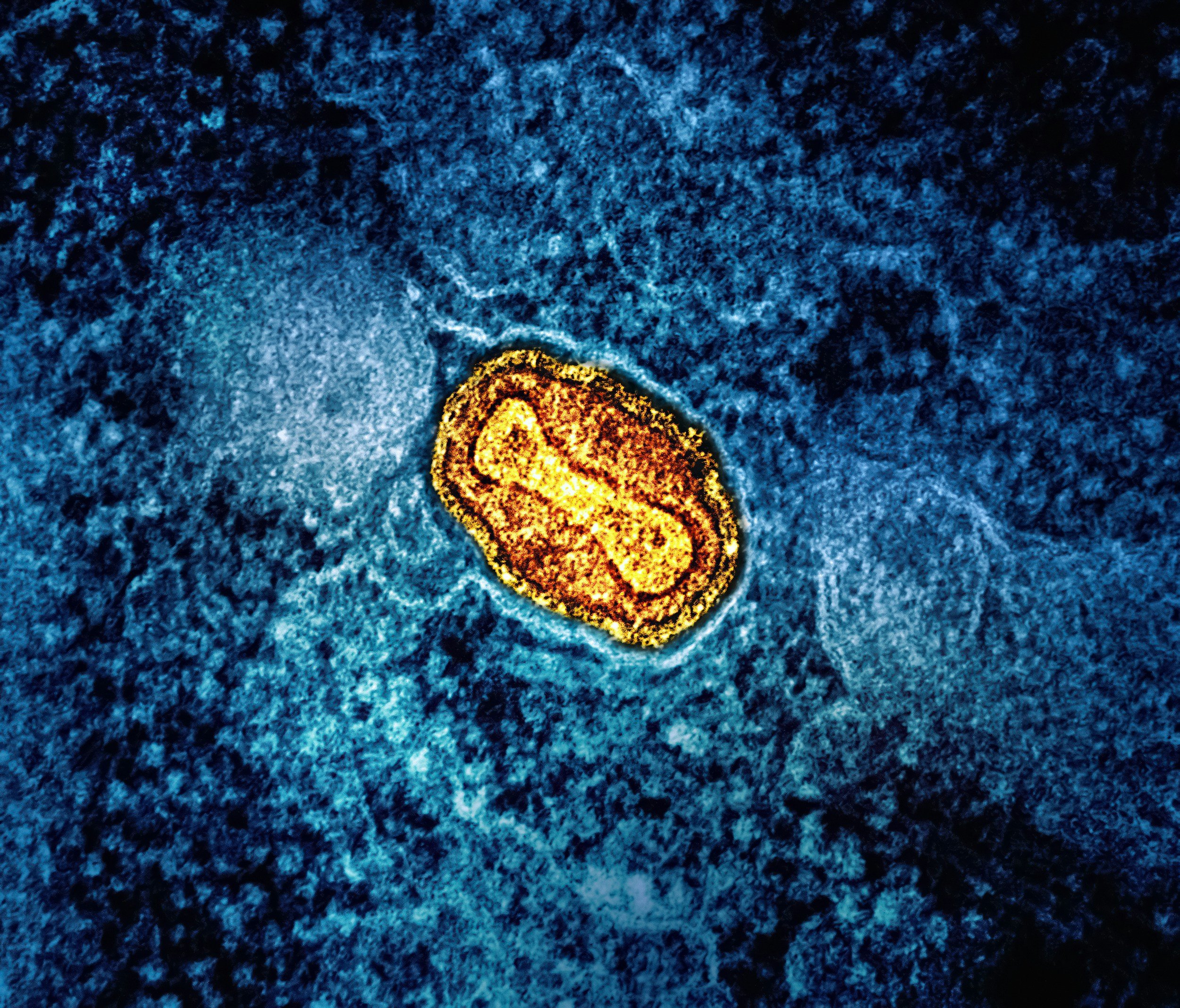
Fatigue isn't one thing physiologically — it can come from sleep, stress, illness, or simply doing too much for too long. But at a cellular level, a meaningful amount of it comes down to energy production: how efficiently your mitochondria are converting fuel into ATP, the molecule your cells actually run on.
When mitochondrial function is impaired — through chronic inflammation, oxidative stress, or simply the wear of sustained pressure — ATP production drops, and that shows up as the kind of fatigue that doesn't resolve with sleep alone. This is the same territory the hormesis mechanism from our last post operates in: a controlled hormetic stress, delivered correctly, is what triggers the Nrf2 pathway and the antioxidant response that supports mitochondrial recovery.
What the research actually shows
Fibromyalgia is where the clearest fatigue-specific data exists. A retrospective study of major autohemotherapy in fibromyalgia patients found that more than three-quarters improved on measures of pain and fatigue. A separate study tracking outcomes on standard clinical scales (including the Fatigue Severity Scale) found improvements in pain, sleep quality, and fatigue after treatment — alongside measurable increases in antioxidant markers (the glutathione ratio) and mitochondrial copy number, which is a proxy for mitochondrial capacity.
Worth being precise about the limits here: these were retrospective studies, not randomised controlled trials, and one found that the improvement partially declined by the six-month follow-up. That's real signal, not proof of a lasting cure.
Chronic fatigue syndrome / ME has been studied too, mainly by one Italian clinical group who've published outcomes across cohorts of 65, 100, and 200 patients using standard fatigue questionnaires before and after treatment. The pattern across these is consistent — measurable improvement in fatigue scores — but these are open-label studies from a single clinic, not blinded, randomised, placebo-controlled trials. That matters: open-label results can be influenced by expectation, not just physiology. Larger, controlled trials are what's still needed before this counts as established.
General, non-diagnosed fatigue — the "just tired all the time" that most people asking about this are actually describing — is the least studied of all three. The research above is about specific diagnosed populations with unusually high oxidative stress burdens; it doesn't automatically transfer to someone without fibromyalgia or ME/CFS who's simply running on empty.

What this actually means for you
The mechanism is well-described, the fibromyalgia and ME/CFS data is genuinely encouraging, and none of it constitutes proof that ozone therapy resolves fatigue for everyone who's tired. If you're dealing with diagnosed fibromyalgia or ME/CFS, there's real published research relevant to your situation, with the caveats above. If you're simply worn down without a specific diagnosis, the honest answer is that we're extrapolating from a related but different picture — which is exactly why this is a conversation to have at consultation, not a promise to make on a webpage.
-
Not in the sense of large randomised controlled trials — those don't exist yet for either condition. What exists is smaller retrospective and open-label research showing meaningful improvement in fatigue scores, which is promising but not the same as proof.
-
Not necessarily, and it's not something to assume. The right protocol depends on your individual health picture, which is why this gets discussed at consultation rather than scaled up by default.
-
Possibly — the underlying mitochondrial mechanism isn't specific to any one diagnosis. But the strongest published evidence is in fibromyalgia and ME/CFS populations specifically, so this is genuinely a "let's talk about your situation" answer rather than a yes.
None of this means ozone therapy is a fatigue cure, and it doesn't mean it's irrelevant either — it means the picture is genuinely mixed, and worth going through properly rather than reduced to a headline. That's what a consultation is for.
Have a question this article didn't answer? Get in touch — I read every message myself.
Look after your little self,
Marianne