The Counterintuitive Reason a Little Stress Might Calm Your Inflammation
Here's something that doesn't sound like it should be true: a small, controlled dose of stress on the body can actually reduce inflammation, not add to it.
I know, it sounds backwards. Stress is supposed to be the enemy — the thing making everything worse. And chronically, unmanaged stress genuinely is a problem. But there's a difference between stress that overwhelms the body and stress that signals it — and that difference explains a lot about why some of the most effective tools for calming stubborn inflammation don't look like "calming" at all.
The Exercise Principle
You already know this pattern from somewhere else: exercise.
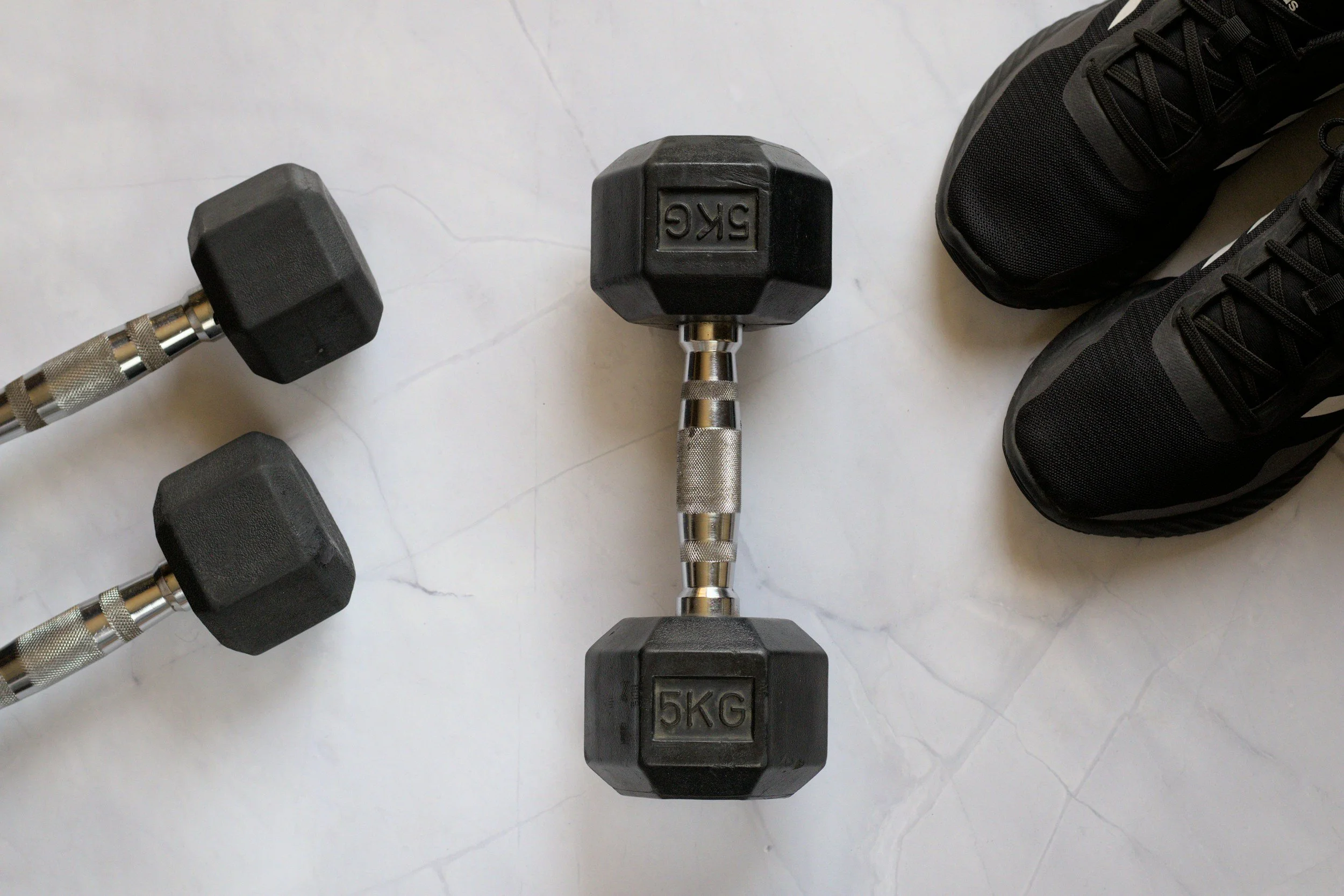
A hard workout is, technically, a stressor. It creates microscopic damage in muscle tissue and triggers a genuine inflammatory response in the short term (hello DOMS!). But the body doesn't just tolerate that — it uses it. That controlled stress signal is exactly what triggers the adaptive changes that make you stronger, more resilient, better regulated over time.
Too much stress, with no recovery, breaks the body down. The right amount, at the right dose, builds it up.
This principle — known as hormesis — shows up throughout biology, and it's the same mechanism behind why brief fasting can improve metabolic health, or why cold exposure can calm an overactive stress response. A small, controlled challenge, given properly, teaches the body to regulate itself more effectively.
Why This Matters for Chronic Inflammation
For a lot of people dealing with inflammation that just won't shift — no matter what they've cut out, changed, or tried — the missing piece isn't another anti-inflammatory food or supplement. It's giving the body an actual signal to recalibrate its own inflammatory response, the way it's designed to.
This is the mechanism behind ozone therapy specifically: a brief, medically controlled oxidative signal that activates the body's own antioxidant and anti-inflammatory pathways, rather than suppressing symptoms from the outside.
The Takeaway
If "reduce your stress" hasn't touched your inflammation, it might be because the kind of stress that's actually useful here isn't the kind you're avoiding — it's a specific, controlled signal your body hasn't had the chance to respond to yet.
If stubborn inflammation is something you've been living with, I'd love to talk through what might actually be going on — get in touch and we'll figure it out together.
Maz x